When you apply for a gold loan, the lender does not simply multiply the gross weight of your jewellery by the market price of gold. The final eligible amount is based on several connected factors: purity, net gold weight, the lender’s reference price, the permitted loan-to-value ratio and any product-specific conditions. Understanding these steps helps you evaluate an offer and avoid unrealistic expectations.
Purity: why karat matters
Gold purity is commonly expressed in karats. Pure gold is 24 karat, while jewellery is usually made with a lower purity so that it is strong enough for regular use. For example, 22-karat gold contains a higher proportion of gold than 18-karat gold. A lender tests the ornament using an accepted assessment method and applies the purity result to the eligible net weight.
The hallmark can be useful information, but the lender may still conduct its own test. Soldering, repairs, mixed components and wear can affect the assessed purity of different parts of an ornament.
Gross weight versus net eligible gold weight
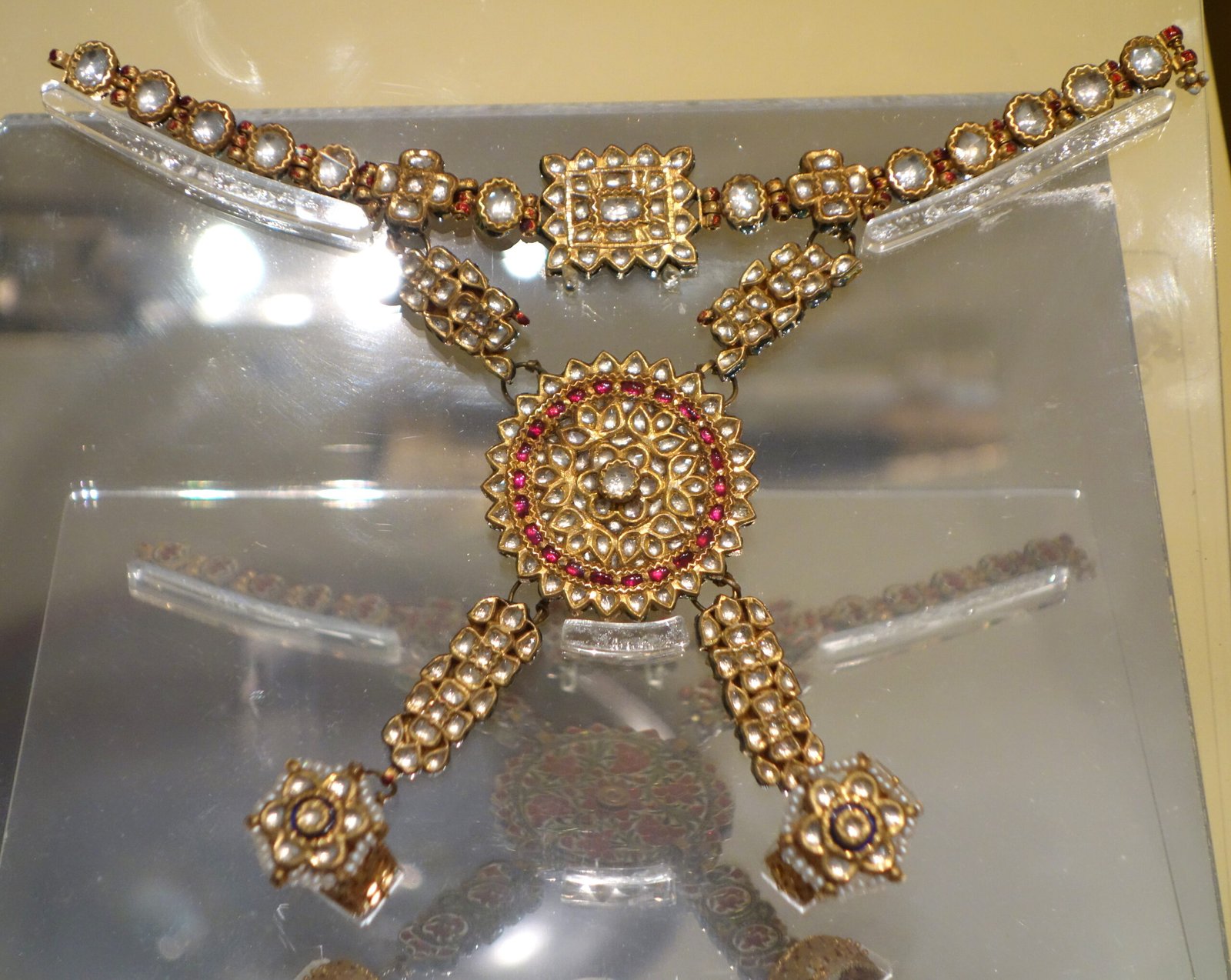
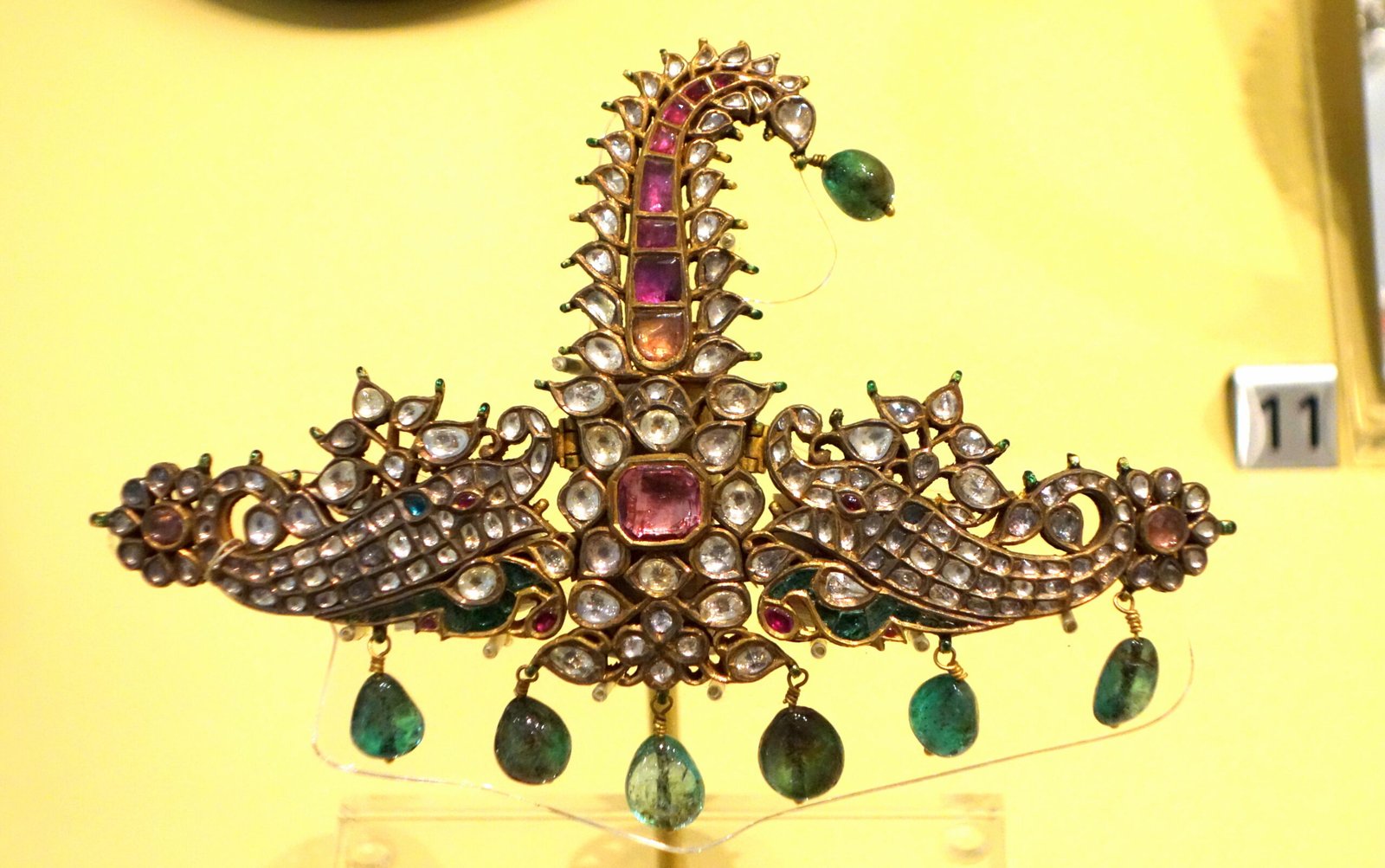
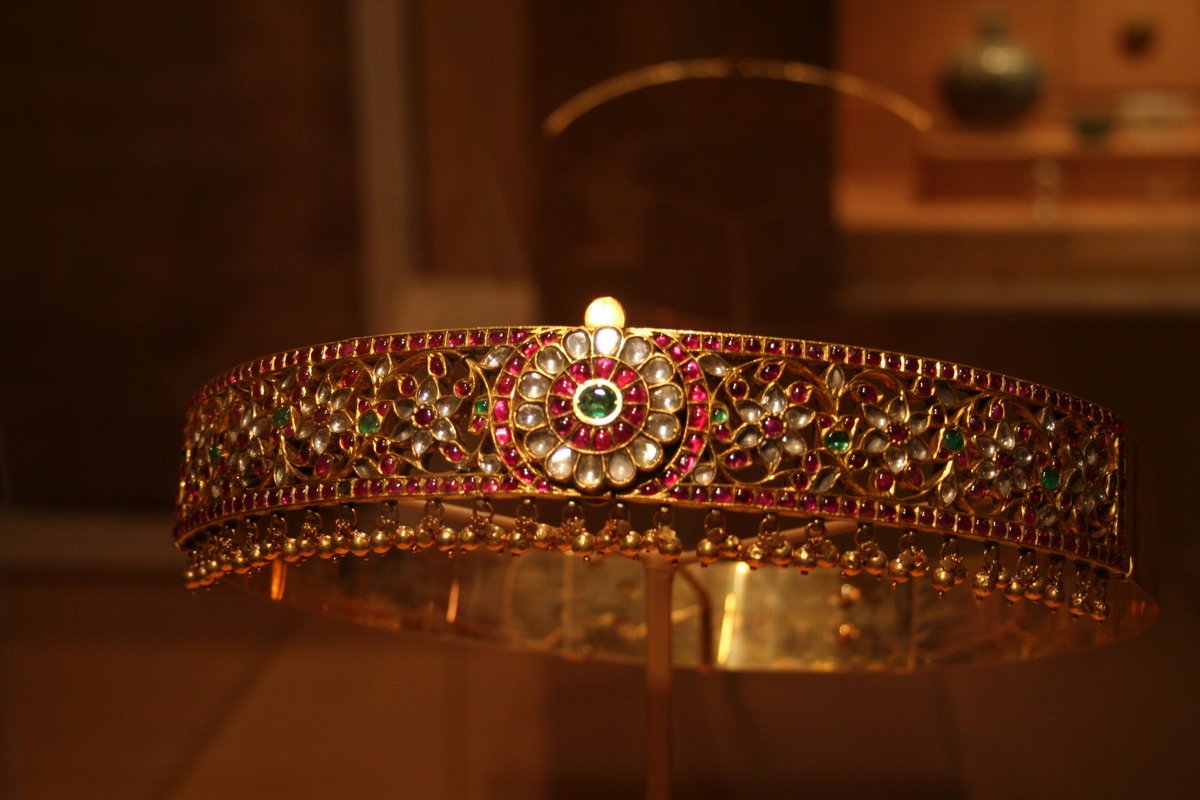
The weight shown on a household scale is not necessarily the weight used for the loan calculation. Stones, pearls, beads, enamel, lac, thread and other non-gold components generally do not contribute to the eligible gold value. The valuer estimates or measures these elements and deducts them from the gross weight.
This is why two ornaments with the same total weight can receive different valuations. A plain gold chain may contain more eligible gold than a heavily decorated necklace of the same gross weight.
The reference gold price
Lenders use a defined reference price rather than choosing an arbitrary number at the counter. The price applied may be based on a specified historical average or another method required by current regulation and internal policy. It may also be adjusted to match the assessed purity of the pledged gold.
Gold prices change regularly, so an online estimate is only indicative. The rate used on the day of valuation and the lender’s calculation method determine the actual eligible value.
Understanding the loan-to-value ratio
The loan-to-value ratio, usually called LTV, is the percentage of the assessed gold value that may be offered as a loan. If eligible gold is valued at ₹2,00,000 and the applicable LTV is 75%, the indicative maximum principal would be ₹1,50,000 before considering the lender’s product rules. The permitted ratio can vary according to current regulations, loan size, tenure and lender policy.
A lender may offer less than the theoretical maximum. Borrowing less can be sensible because it creates a greater value cushion and reduces the amount you must repay.
A simple illustrative calculation
Assume an ornament has a gross weight of 30 grams. After excluding stones and non-gold parts, the eligible net weight is assessed at 26 grams. Suppose the purity-adjusted reference value is ₹6,000 per gram:
- Assessed gold value: 26 × ₹6,000 = ₹1,56,000
- Illustrative LTV: 75%
- Indicative maximum principal: ₹1,56,000 × 75% = ₹1,17,000
This example is deliberately simplified. It is not a current gold rate, a guaranteed LTV or a loan quotation. Actual calculations depend on the lender’s assessment and the rules applicable on the valuation date.
Charges that affect the real cost
The sanctioned principal and the amount credited to your account may differ if permitted charges are deducted at disbursal. Ask for a written breakdown of processing fees, valuation charges, documentation charges, taxes and any other deductions. Also review penal charges, renewal charges and auction-related costs that may apply if obligations are not met.
How to check the valuation process
- Clean and list your ornaments before visiting the lender.
- Ask for weighing and purity testing to be performed transparently.
- Check that every ornament is accurately described on the pledge receipt.
- Request the assessed gross weight, deductions, net weight and purity.
- Ask which reference gold price and LTV were used.
- Compare the net disbursal and total repayment—not only the approved amount.
What happens if gold prices change?
A significant decline in gold prices can reduce the value supporting the loan. Depending on the agreement and applicable rules, a lender may ask the borrower to restore the required margin through part-payment or other permitted action. Read this clause carefully before accepting the loan, especially when borrowing close to the maximum eligibility.
Final takeaway
Gold loan valuation is a structured calculation, not a negotiation based only on the jewellery’s appearance. Purity, eligible net weight, the reference price and LTV work together to determine the offer. Ask for transparent figures and borrow according to your repayment capacity rather than automatically taking the maximum amount.
Disclaimer: The figures in this article are illustrations only. Gold rates, LTV limits, lender policies and regulations can change. Obtain a current written quotation before making a borrowing decision.
Image source: Wikimedia Commons. Please review the source page for its applicable licence and attribution requirements.